In March when spring would have been in full bloom and migratory birds became a common sight, India entered in an unprecedented lockdown. Newspapers echoed with the introduction of a new variant of novel Sars-Cov coronavirus scientifically termed as Covid 19. The noise got reduced to television screens and social media platforms while the earth embraced a silence that continues to haunt humans but apparently saw nature rejuvenating. The same pandemic that brought our lifestyle to a pause caused nature to bloom.
In words of Inger Anderson, United Nations environment chief “Nature is sending us a message.” According to experts this is surely a warning shot for human lifestyle that is hurting the sentiments of biodiversity because what goes around comes around as well. Last few decades have been marvellous for technological advances and digital globalisation. While markets for human intelligence created an uproar all over the globe, conversation about nature took a back seat. It went down from our priority list and despite the clear warnings from various environmental agencies, most humans overlooked the threat. The outbreaks of corona virus have brought down all the activities to a pause giving a clear message that nature is upset. It is high time and most probably the only time when we as a human can sit and think of regenerating nature the way it is meant to be.
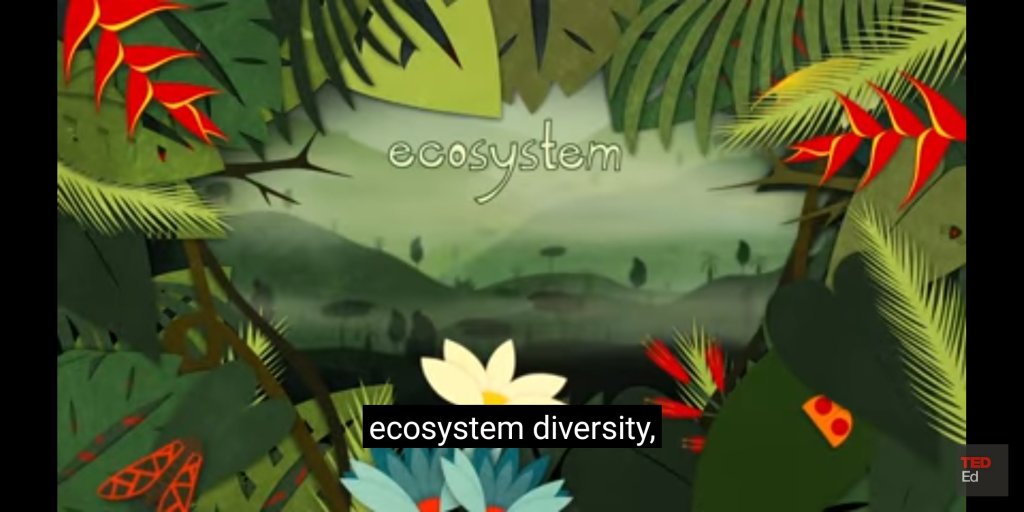
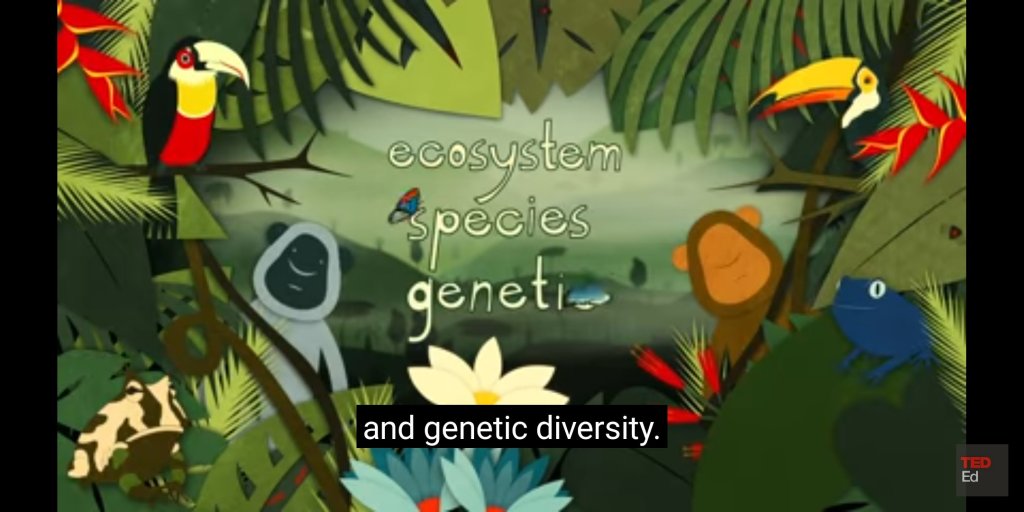
Biodiversity is the amalgamation of diversity at genetic, species and ecosystem level. In layman’s terms it is the variety that nature possesses in terms of its biotic resources. Be it any kind of microscopic organism or advanced human beings, everything makes up biodiversity. It includes variety and variability of all life forms. Its richness sustains the world and humans constitute a huge part of it. Nature is not separated from the culture of human beings. From our literature to our society, we are interwoven together in a thread where any knot is liable to cause an irreversible damage, the latest example being of Covid 19. In a few months the virus transmitted to almost all parts of the globe creating havoc. This is another face of Mother Nature, the one which is not forgiving. Our dependence upon it has led to such serious consequences. The speculations of this virus being a genetically engineered one, created in a lab are probably true, even then it cannot be said that pandemic is solely an intended one. Threats to biodiversity aren’t new and have led to extinction of species and even communities. Due to this unique information in the form of DNA got lost and is unlikely to recover. This means that we are losing some information everyday and there will come a time when all information will be lost. This may seem like an exaggeration of climate change but it’s important to realise it now. Partially we are on the edge of mass destruction and from here if we do not take necessary steps we may not recover.


With problems come solutions and even though it looks like a big task it is not. Conservation begins at home with awareness. Nature and culture are not different but rather two sides of a coin. If we do a toss right now we are making either one of the sides win while completely neglecting the other, in long term effects this can be alarming. Accordingly I feel conservation strategy should involve both of these aspects. For better understanding let’s take an example of a garden with brick fortification. Here the garden symbolises nature and fortification or the wall is the culture. Through the garden we get all the necessary resources while the wall helps us in protection. It provides from unwanted predators and greed. Under the protection, the garden is liable to flourish more efficiently. Similarly when nature is combined with culture, the later provides enough security to the former. This also means inculcating values of conservation of biodiversity in our day to day cultural practices. Conservation should not only be the task of authorities but also of the common people. This idea is not new but derived from the way of working of our indigenous communities who have practiced since time immemorial. It’s their effort that has managed to protect the originality of the Earth. Most of the trees and animals in India are safe because they are sacred and they have been an integral part of religious practices.
Solutions also include conservation practices at each level of biodiversity. Taking small steps for maintenance of services and resources at these levels can be termed as smaller steps which when intermixed together will formulate a bigger picture. Genetic variations are occurring at an alarming rate due to global warming. While the new artificial variety is overtaking the earth, the natural one is slowly getting extinct. This calls for a mass preservation of genetic identities. At species level we have already lost abundance. It has been estimated that the melting of glaciers is leading to the loss of many organisms. If left unchecked we might lose the species we never knew existed in the first place.
Habitat fragmentation and deforestation together have a devastating effect on the ecosystem and it’s services. Our solution includes contributing towards restoration of land areas and working on habitat ecology. Artificial and excessive tree plantation won’t be of much help since it can only bring a handful amount of biodiversity back at its place while restoration replaces the contaminated environment with the natural one which accounts for increased biodiversity.
With the pandemic at our doorsteps we have time to manage the restoration process going across the country with efficiency since pollution is under check. Environmentalists and various climate change committees have been working on biodiversity conservation since many decades. They have been warning us of the threat we are inviting ourselves, inviting us to boycott products harmful for the environment and start a lifestyle that is more natural.
What makes humans more advanced than any other species on the Earth, the larger cranial capacity or the advanced utilisation of memories to predict a future? Partially yes, we humans have immense power to understand the way the world works. Our intelligence has led to some serious discoveries and inventions that have been beneficial for mankind. While appreciating our capabilities we can’t ignore our shortcomings. We have invested into an unpredictable future while overlooking our present. Remember how many of us were waiting for our summer breaks and have already planned a tour. All of those plans were put on a halt by capsid enclosed genetic material which we knew existed but were unable to understand. Human intelligence must have a limit and it might be this. Covid 19 is teaching us that little things matter more than bigger ideas and nature has a way of healing even if we do not take part but then do we belong to it or are we just a contamination to its culture? Introspection can help here, a little insight into our unhealthy ways of lifestyle can make us aware of our inferiority over nature. At the same we must work on reduction of poverty as economic development affects our
As we prepare for the post lockdown lives we must discuss our lives in the present. We must understand our role as a responsible human being and reach out to nature before it decides to eliminate us. Remember Earth has survived mass extinction and it has evolved over time into a more detailed and stable environment. If it weren’t humans, the earth would have been rejoicing. It’s our ways that will lead to our own extinction. The conservation is of utmost importance and it begins at home. Our solutions surely lie in nature but we cannot say that this is the sole solution. It is our responsibility to regenerate as well as conserve biodiversity because if the wall is broken all of us will be harmed in ways we are yet to imagine.
©|® Essay by Sameera Mansuri.
(Written in response to advertisment posted by government of Madhya Pradesh on environment day)
 The Poetic Elixir
Nicely and beautifully told! Wow
LikeLike
I am enjoying your analysis/ essays. Everything.
LikeLike
Very beautiful essay Sammy🌹Stay safe! 💕
LikeLike